
The short answer
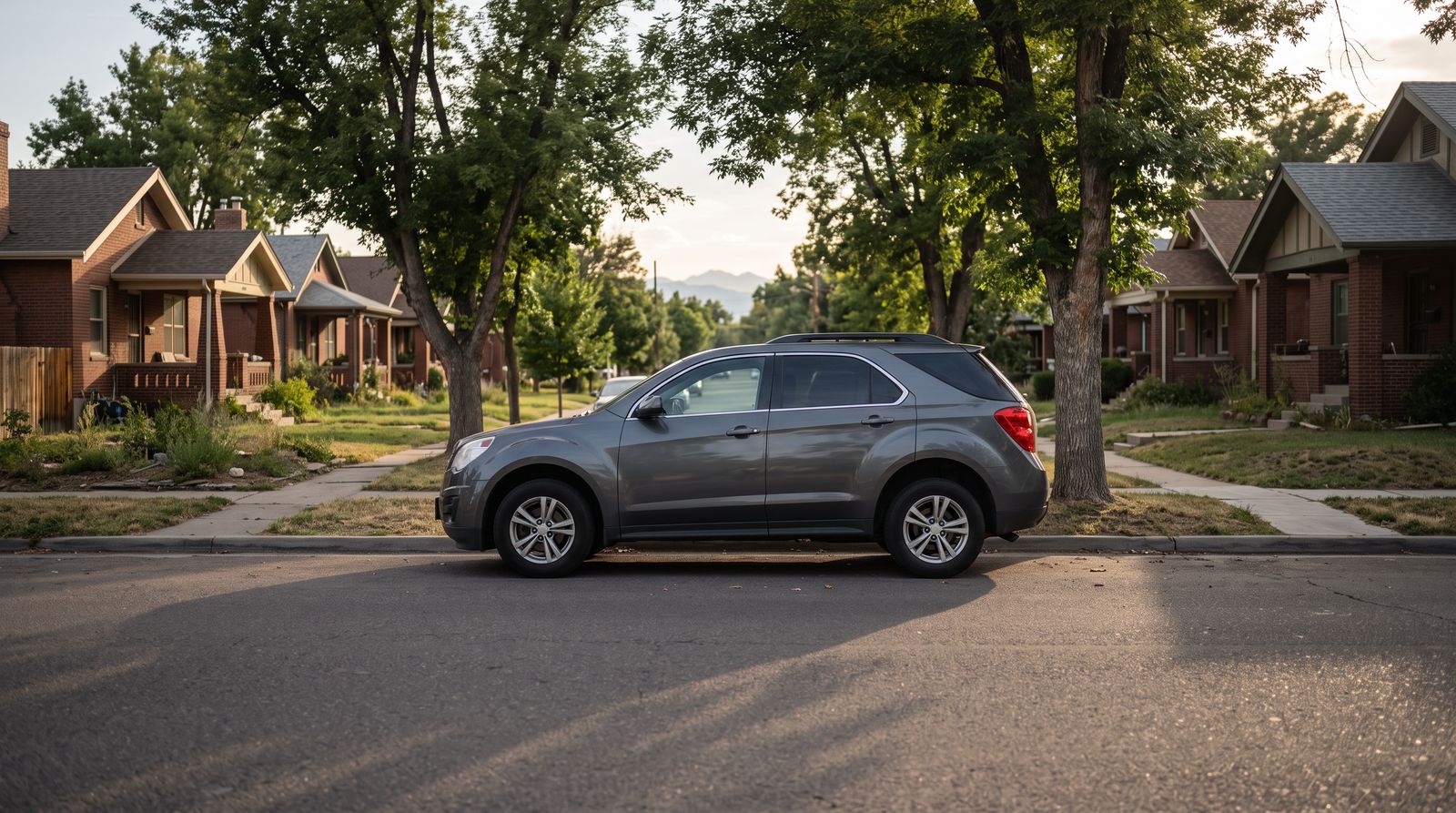
A licensed dealer sells you convenience and a paper trail: they handle the title transfer, they must display a federal Buyers Guide on the window, and they answer to a state licensing authority if something goes wrong. You pay for that in the price and in fees. A private seller usually asks less and can tell you how the car was actually driven, but you become the one who checks the title, verifies the seller, arranges the inspection, moves the money safely and registers the car.
So the better question is which set of jobs you are willing to do yourself. Someone who has never registered a car in Colorado, needs a loan and wants to trade in their old car will usually find a dealer less stressful. Someone paying cash, comfortable with a county motor vehicle office and willing to arrange an inspection can often get more car for the money privately.
Side-by-side comparison
| Question | Licensed dealer | Private seller |
|---|---|---|
| Who handles title and registration? | The dealer prepares the paperwork and typically issues temporary tags. | You do, at your county motor vehicle office, within the state deadline. |
| Warranty disclosure | Federal Buyers Guide on the window states "as is" or what warranty applies. | No Buyers Guide. Private sales are almost always as-is. |
| Who oversees the seller? | State dealer licensing through the Colorado Department of Revenue. | No licensing body; disputes go through general consumer law or small claims. |
| Sales tax | Usually collected by the dealer at the sale. | Paid by you when you register the car. |
| Extra fees | Dealer handling or documentation fees, plus any add-ons you accept. | None from the seller; you pay state and county fees directly. |
| Trade-in | Possible, often convenient. | Not possible; you sell your old car separately. |
| Knowledge of the car's history | Often limited to what the auction or trade-in paperwork showed. | Can be detailed if the seller owned it for years. |
| Price | Typically higher, covering reconditioning, overhead and profit. | Typically lower, but every check and risk is yours. |
Five-question quiz: which route fits you?
Answer honestly. The split shows how your answers lean; it is a way to think through the trade-offs, not a recommendation about any particular car or seller.
What you actually get from a licensed dealer
Colorado licenses motor vehicle dealers and salespeople through the Department of Revenue, and the state takes complaints against licensees. That oversight is the biggest structural difference between a dealer and a stranger on a marketplace app. If a dealer misrepresents a car or mishandles the title, you have an agency to contact in addition to your own legal options.
Read the Buyers Guide before anything else
The Federal Trade Commission's Used Car Rule requires dealers to post a Buyers Guide on each used vehicle they offer. It tells you whether the car is sold "as is," with no dealer warranty, or with a warranty, and if so what it covers and for how long. It also reminds you to ask for an independent inspection. The terms on the Buyers Guide carry into your sales contract and override contrary language in it, so take a photo of the guide before you start negotiating.
An "as is" sale means you accept the car with whatever problems it has, known or not, once you drive away. That is common and legal. It makes the independent inspection more important, not less. A manufacturer warranty that is still in effect may carry over regardless of how the dealer sells the car; check the in-service date and mileage with a franchised dealer for that brand.
Fees and add-ons to question
Ask for an itemized out-the-door price in writing before you agree to anything. It should show the vehicle price, any dealer handling or documentation fee, sales tax, registration estimates and every add-on. Common add-ons include extended service contracts, paint or fabric protection, window etching, nitrogen-filled tires and theft devices. Some may be worth it to you; none should appear without your clear agreement. The budget and fair price guide includes a calculator for comparing quotes on the same basis.
What a private sale asks of you
With a private seller, you are the inspector, the title clerk and the escrow agent. That is manageable if you work in order.
- Get the VIN first and run it through a history report and the free federal tools. The history and title guide lists them.
- Meet in daylight in a busy public place. Many police departments offer marked areas for online-sale meetups; check your local department.
- Ask to see the title and the seller's ID together. The names should match. If the title lists a lienholder, the seller must provide a lien release or pay off the loan through the lender before the title can transfer cleanly.
- Work through the inspection checklist, then take the car to an independent mechanic.
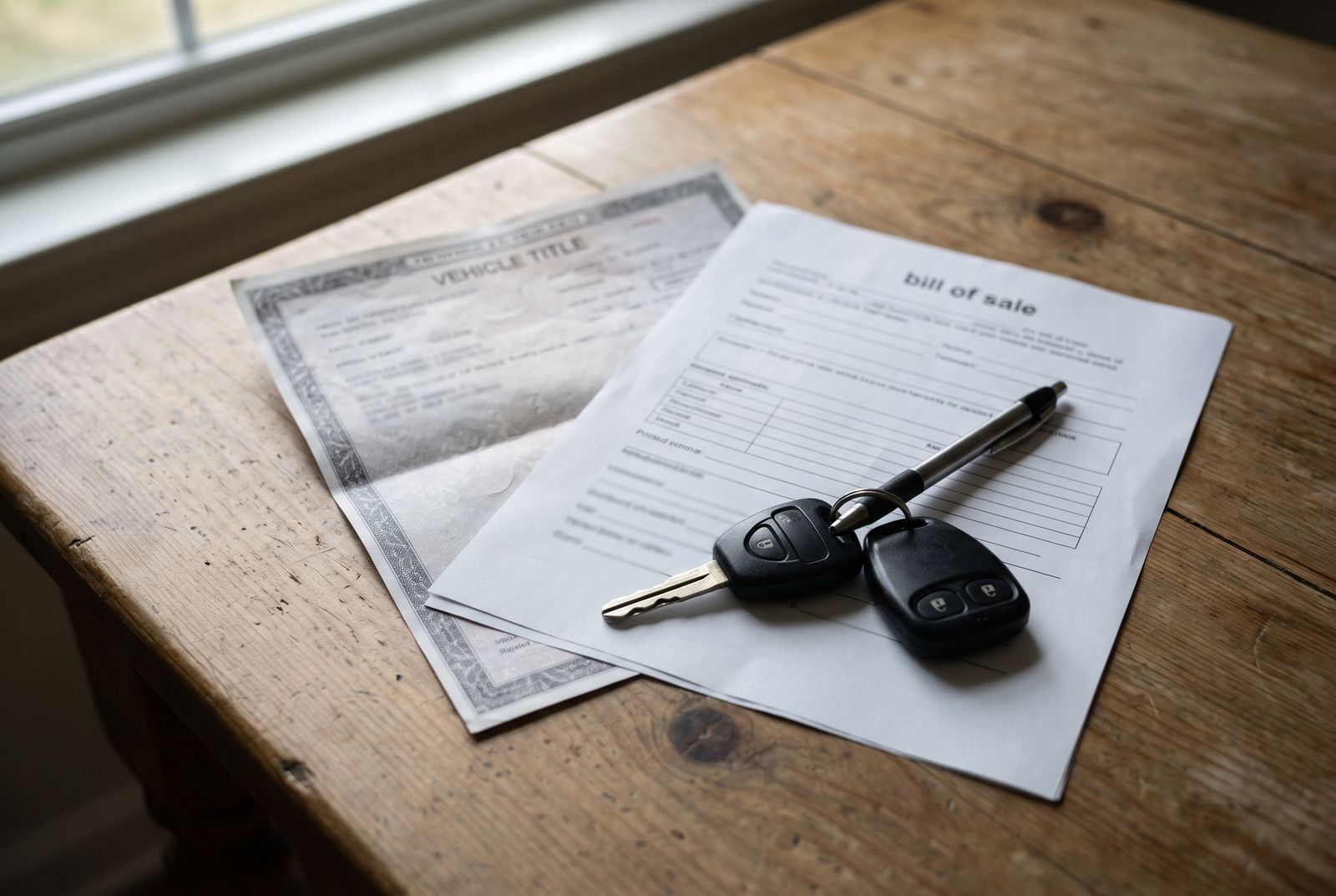
- Pay with a traceable method, ideally at your bank, and get a signed bill of sale that lists the date, price, VIN and both parties.
- Follow the Colorado paperwork steps to title, test and register.
Fake private sellers, also called curbstoners
A curbstoner is someone who buys cars to resell for profit without a dealer license and poses as a private owner. It is a problem because these sellers avoid the rules that apply to dealers, and their cars often come from auctions with damage, title brands or odometer problems they have no incentive to disclose.
- The title is in someone else's name, or the "owner" signed it over to nobody in particular.
- The same phone number appears on several different car listings.
- The seller wants to meet in a parking lot rather than at a home, and cannot say much about the car's history.
- The seller says they are "selling it for a friend" or "for my uncle."
If you suspect a curbstoner, walk away. You can report unlicensed dealer activity to the state's dealer licensing authority.
If this, then that
Weighing two specific cars?Send both listings and what you know about each. We will point out what to verify before you choose.
Compare with us